

February 11, 2026
February 11, 2026
Creative Testing: Lessons from Super Bowl 2026 Best Ads

By
Liz White
%20(909%20x%20510%20px).png)
Another Super Bowl in the books, and the ads are already being dissected across social media. What was memorable? What made us laugh? What actually made us want to buy something?
Here's what separates the winning ads from the forgettable ones: creative testing.
The brands that dominated the conversation didn't just throw $7-8 million at a 30-second spot and hope for the best. They tested their creative concepts months in advance with real consumers to understand what would resonate.
According to Nielsen research, quality creative drives 50% of ROI in paid advertising campaigns. The Super Bowl ads that become cultural moments and drive actual business results are the ones that were tested, refined, and optimized before game day.
But creative testing isn't just for championship Sunday. The same principles that help brands maximize their Big Game investment apply to every campaign where creative quality determines performance—from Facebook ads to video campaigns to product launches.
Table of Contents
- What Is Creative Testing?
- Why Creative Testing Matters
- Big Game Creative Testing: What Top Brands Get Right
- How to Do Creative Testing (Step-by-Step Framework)
- Benefits of Creative Testing
- Common Pitfalls and Challenges
- Transform Your Creative Testing with Consumer Insights
- Essential Creative Testing Tools
- FAQs
What Is Creative Testing?
Creative testing is the systematic process of evaluating different versions of advertising assets before launching them to your full audience. You test headlines, images, video content, calls-to-action, messaging, and ad formats to identify which combinations resonate most strongly with your target audience.
At its core, creative testing answers: "Which version of this ad will drive the best results?"
Rather than relying on assumptions or internal preferences, you gather actual data from real potential customers about what motivates them to engage, click, and convert. The process typically involves showing multiple creative concepts to a test audience and measuring their responses through engagement rates, click-through rates, conversion rates, and qualitative feedback.
This data-driven approach removes guesswork from creative decisions, providing valuable feedback to inform both current campaigns and future creative strategy.
Why Creative Testing Matters (Especially for High-Stakes Campaigns)
Getting consumer attention requires more than good design. You need creative assets that resonate with your audience's needs, emotions, and decision-making criteria. Without understanding what motivates your customers, you're throwing money at concepts that might be irrelevant.
The Stakes Were Highest During the Big Game
The ads that dominated social media conversations and drove brand recall share a common approach: extensive testing before game day.
The data proves it works. According to Northwestern's Kellogg School of Management, the most effective ads "delivered an emotional or humorous punch while also clearly conveying the importance or utility of their products." The brands that tested their messaging with consumers before investing $8-10 million in airtime were the ones that succeeded.
Compounding Value Over Time
Creative testing builds deeper customer understanding that compounds over time. Each test provides insights into behavior, preferences, and motivations that inform your entire marketing approach.
Big Game Creative Testing: What Top Brands Got Right
This years Super Bowl serves as the ultimate creative testing case study. The brands that created memorable, effective Big Game advertising share a common approach: they tested extensively before game day.
What Winning Brands Did
Test Emotional Resonance Months in Advance: The most successful advertisers ran focus groups and qualitative research well in advance to understand which emotional appeals connect strongest with target audiences. This early testing identifies whether the humor lands, whether the emotional story resonates, and whether viewers recall the brand.
Case in point: Google's "New Home" Gemini ad earned the highest rating because it "tugged at the heartstrings while also showing how the platform could be used." The adorable execution—a mom and son envisioning their new home with AI—was clearly tested to balance emotion with clear product demonstration.
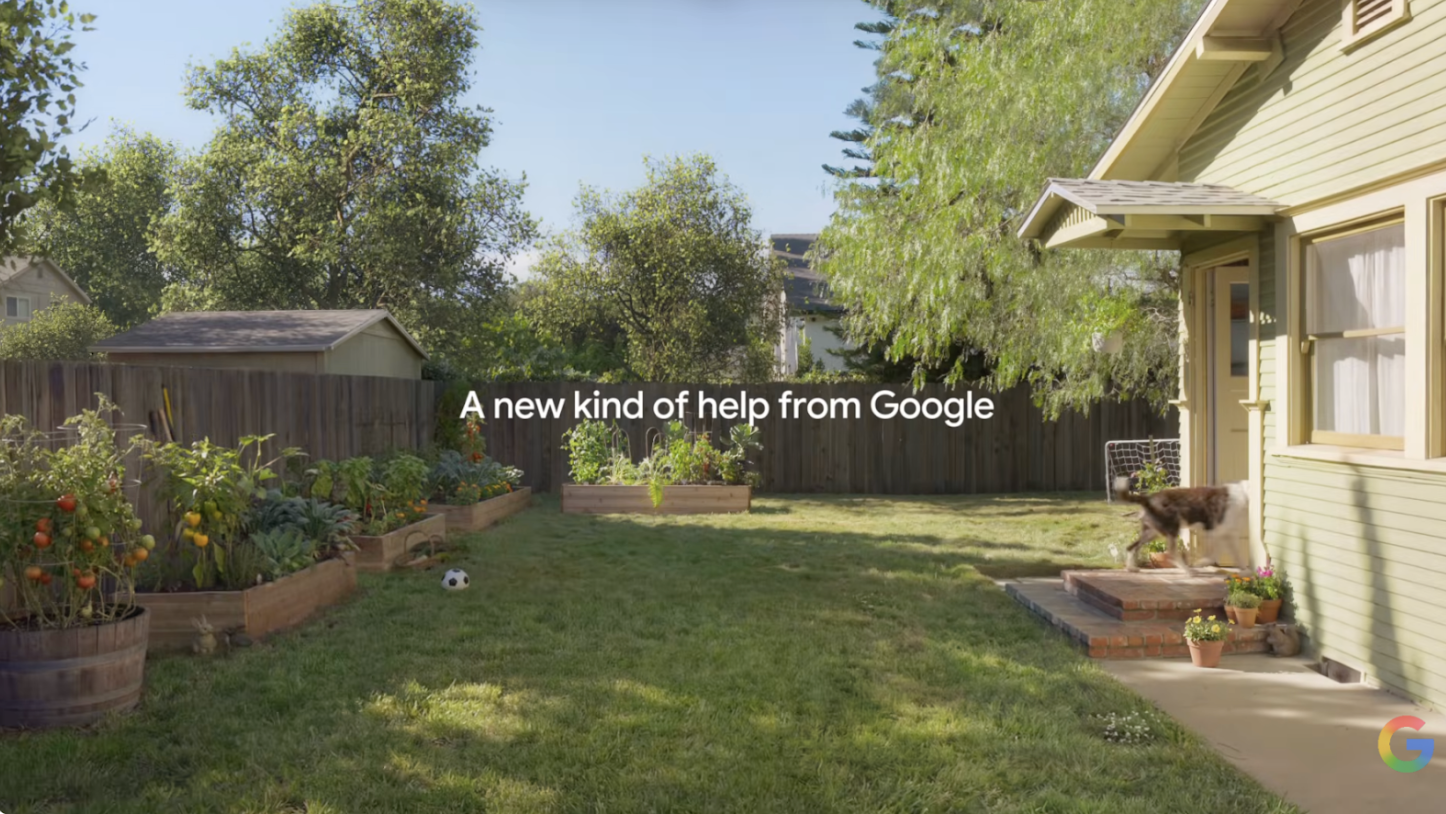
Test Message Clarity, Not Just Likeability: The brands that succeeded showed exactly what their product does and why it matters. Anthropic's Claude ad earned an A-rating because, according to Northwestern's analysis, "it was clear what it was and why you should use it."
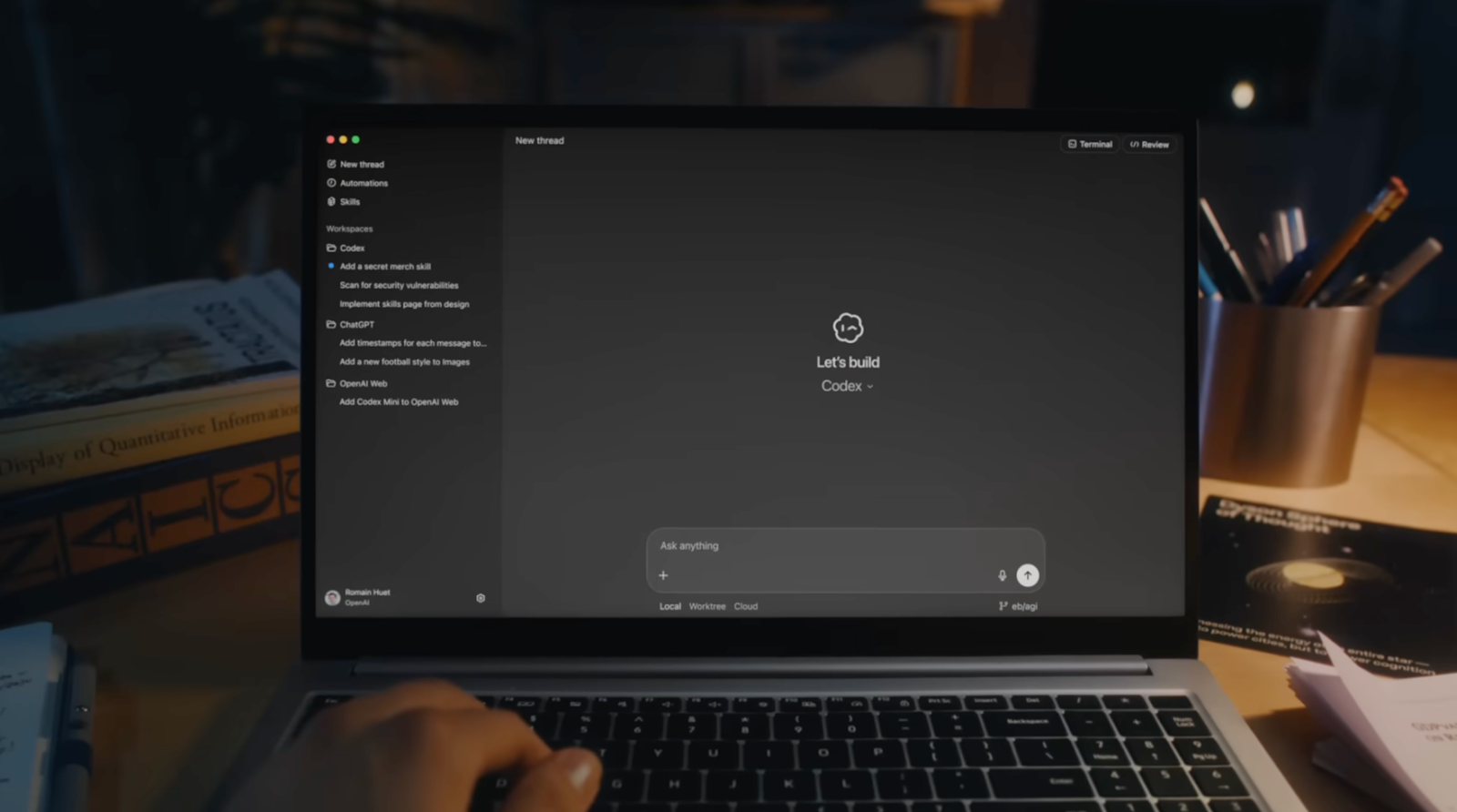
Test for Brand Linkage: Even entertaining ads fail if viewers can't remember who they're for. This year saw a clear divide between ads that maintained brand presence throughout (like Google and Anthropic) versus those that buried their message in celebrity spectacle.
What Underperforming Brands Got Wrong
Testing too late: Waiting until weeks before the game means no time for meaningful changes based on consumer feedback.
Relying on celebrity power without testing message fit: Fame doesn't guarantee effectiveness.
Testing only for "entertainment" rather than clarity: Multiple D- and F-rated ads this year were memorable for being weird or funny, but viewers had no idea what the product was or why they should care. As Northwestern's review stated, these brands "failed to show viewers what [they do] or why they might want to use it."
Not testing for brand recognition: The most expensive creative mistake of 2026 was creating ads where the brand message got lost in the spectacle. Testing would have revealed this fatal flaw before spending $10 million on airtime.
The Principle That Applies Year-Round
Test early. Test for audience fit. Test for business outcomes, not just creative awards. These principles apply to every campaign you create.
How to Do Creative Testing (Step-by-Step Framework)
Effective creative testing follows a systematic approach that combines strategic planning with rigorous execution.
1. Set Clear Objectives and Hypotheses
Define what you want to achieve. Objectives should be specific and measurable: "Increase conversion rates by 15% through improved messaging that addresses our top customer objections."
Develop testable hypotheses based on customer insights. Strong hypotheses connect creative changes to specific business outcomes: "Adding customer testimonials to our video ads will increase purchase intent by 20% because our qualitative research showed trust is the primary barrier to purchase."
2. Choose Your Testing Methodology
A/B Testing: Compare two versions with a single variable changed. Provides clear, attributable results.
Split Testing: Multiple variables changed simultaneously, comparing distinctly different creative approaches.
Multivariate Testing: Test multiple elements simultaneously to understand how they interact. Requires larger sample sizes.
Lift Testing: Compare audiences exposed to your ads versus a control group to measure incremental impact.
3. Develop Effective Ad Concepts
Create multiple ad variations featuring different messaging, visuals, or calls-to-action. Focus on elements that could significantly impact performance: messaging approaches, value propositions, emotional appeals, visual styles, or CTAs. Each variation should represent a distinct strategic approach based on your hypotheses and consumer insights.
4. Conduct a Creative Gap Analysis
Review your existing campaigns to assess which creative elements perform well and which underdeliver. Analyze competitor ads to identify trends, strengths, and weaknesses in the broader market. Gather feedback from your target audience through surveys, interviews, or focus groups to understand how your creative is perceived and what might be missing.
By combining these insights, you develop a clear action plan for your creative testing process aligned with your marketing goals and tailored to your audience's preferences.
5. Create Strategic Test Variations
Develop creative variations that test meaningful differences, not cosmetic changes. Focus on testing different strategic approaches based on your hypotheses and consumer insights—problem-focused versus solution-focused messaging, lifestyle imagery versus product shots, aspirational versus fear-based emotional appeals.
6. Analyze Results and Extract Insights
Look beyond surface-level metrics to understand why certain creative concepts performed better. Analyze engagement patterns, conversion funnels, and audience segments to identify actionable insights. Document learnings that can inform future creative testing campaigns and broader marketing strategy.
7. Scale Winners and Iterate Losers
Allocate more budget to proven winning concepts while using insights from underperforming creative to develop new test variations. Testing is an ongoing process, not a one-time activity. Monitor for signs of creative fatigue and have new variations ready to rotate in when performance starts to decline.
Benefits of Creative Testing
Creative testing delivers measurable benefits that extend beyond improved ad performance.
Maximized Return on Investment
Research shows that the most effective ads generate more than four times as much profit compared to poorly performing creative. Creative testing helps you identify these high-performing concepts before you commit significant ad spend.
Deeper Audience Understanding
Every creative test provides valuable data about your customers' preferences, emotional triggers, and decision-making processes. You learn which emotional appeals drive action, which value propositions matter most, which visual styles capture attention, and which messaging frameworks overcome objections most effectively.
Creative Fatigue Prevention
Even the best-performing creative eventually wears out. Ongoing creative testing helps you stay ahead of this challenge by continuously identifying fresh approaches that keep your audience engaged. You can systematically rotate winning creative concepts and retire underperforming ones before they hurt campaign performance.
Common Pitfalls and Challenges
Even well-intentioned creative testing efforts can fail to deliver valuable insights if you fall into common traps.
Testing Without Sufficient Consumer Insights
Many brands test random creative variations without understanding what truly matters to their customers. This wastes time and budget. Instead, base your tests on actual consumer feedback about their needs, preferences, and decision-making processes. Qualitative research should inform your creative concepts before you test them quantitatively.
Changing Too Many Variables Simultaneously
When you test creative that differs in multiple significant ways, you can't attribute performance differences to specific elements. Focus on testing meaningful but isolated changes that allow you to identify what's actually driving performance differences.
Stopping Tests Prematurely
Early performance indicators can be misleading due to small sample sizes, temporary market conditions, or audience learning periods. Let tests run through complete business cycles (at least a full week, preferably two weeks) and reach meaningful sample sizes before drawing conclusions.
Ignoring Creative Fatigue Indicators
Many brands launch winning creative and let it run indefinitely without monitoring for fatigue. Every creative asset eventually experiences declining performance. Establish systematic processes for refreshing creative assets based on performance data and consumer feedback, not just calendar schedules.
Transform Your Creative Testing with Consumer Insights

One of the most effective ways to enhance your creative testing is by combining it with ongoing qualitative research.
Here's the problem most brands face: they're testing creative concepts in a vacuum. They create variations based on internal assumptions, past performance, or competitor analysis—but they're not starting with a deep understanding of what actually motivates their customers.
Studio's platform connects you with vetted moderators who can gather the deep consumer insights that fuel effective creative testing campaigns. Instead of testing random variations, you can test ideas rooted in actual customer feedback about what resonates with them.
What This Enables
Concept validation before production: Test rough creative concepts with your target audience before investing in production. Understand which directions have the highest probability of success.
Emotional response optimization: Identify the specific emotional triggers, pain points, and aspirations that motivate your audience segment. Use these insights to develop creative that connects on a deeper level.
Messaging hierarchy: Understand which messages matter most to your audience and in what order. This informs how you structure headlines, body copy, and calls-to-action.
Visual preference insights: Learn which visual styles, imagery types, and design approaches capture attention and communicate your value proposition most effectively.
Studio for Creative Testing Research

Studio gives insights teams a streamlined way to conduct the qualitative research that informs effective creative testing:
→ Super seamless setup: Upload your research brief and confirm your moderator—even under tight timelines. No RFP process, no weeks of coordination.
→ Access to expert moderators: 50+ vetted moderators with specialized expertise in brand strategy, consumer psychology, and creative evaluation across industries.
→ Integrated workflow: Everything from questionnaire approval to session scheduling to deliverables happens in one centralized platform.
→ Fast turnarounds: Get from research brief to actionable insights in 10-12 days instead of 6+ weeks with traditional agencies.
With Studio's integrated research approach, you can quickly identify the emotional triggers, messaging preferences, and creative elements that matter most to your audience—giving your creative tests a much higher probability of success before you spend a dollar on media.
Learn more about Studio's qualitative research platform →
Essential Creative Testing Tools
While creative testing is fundamentally about consumer research, a few tools help streamline the process and provide deeper insights.
Studio: Your strategic partner for gathering the customer insights that fuel effective creative testing. Studio connects you with experienced moderators who can conduct focus groups, in-depth interviews, and immersive research to understand what truly resonates before you test at scale.
Motion: Provides creative analytics that help you understand which visual elements, messaging approaches, and formats drive the best performance across campaigns.
Pencil: Uses AI to analyze creative performance and generate insights about which elements contribute most to campaign success.
FAQs
What is creative testing?
Creative testing is the systematic process of evaluating different versions of advertising assets with your target audience before launching full campaigns. It involves testing headlines, images, videos, messaging, and calls-to-action to identify which combinations drive the best performance. The goal is to use data-driven insights from real potential customers rather than assumptions to guide creative decisions and maximize advertising effectiveness.
How to best do creative testing?
Best practices include: starting with clear objectives and hypotheses based on consumer insights; developing meaningful test variations that represent different strategic approaches; using appropriate testing methodologies (A/B, multivariate, or lift testing); gathering sufficient sample sizes before drawing conclusions; combining quantitative performance data with qualitative consumer feedback; and building on learnings from previous tests. The most successful programs integrate consumer research to understand not just what works, but why it works for specific audiences.
How do brands test Super Bowl ads before championship Sunday?
Brands investing millions in Super Bowl advertising typically conduct focus groups 2-3 months before the game, testing multiple creative concepts with target demographics to understand which narratives and emotional appeals resonate most strongly. They test for emotional resonance and memorability, validate concepts across demographic segments, and iterate based on feedback before final production. The brands that consistently create effective championship Sunday advertising start testing in Q4 or earlier, allowing time for multiple rounds of feedback and refinement.
By
Liz White
Subscribe
Stay up to date on industry insights and resources from Studio.


